How to play Outguess
Two rules, five cards, one open table. Ten seconds to learn — the reading takes longer.
The circle
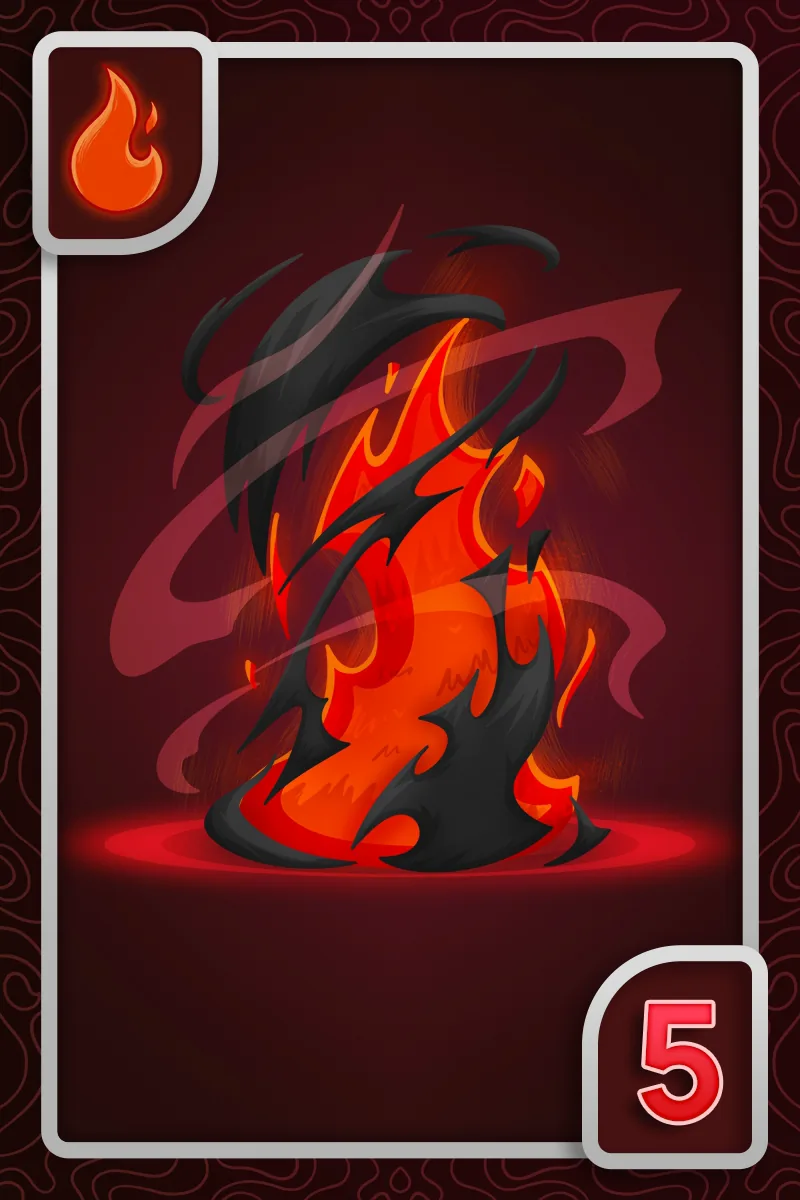
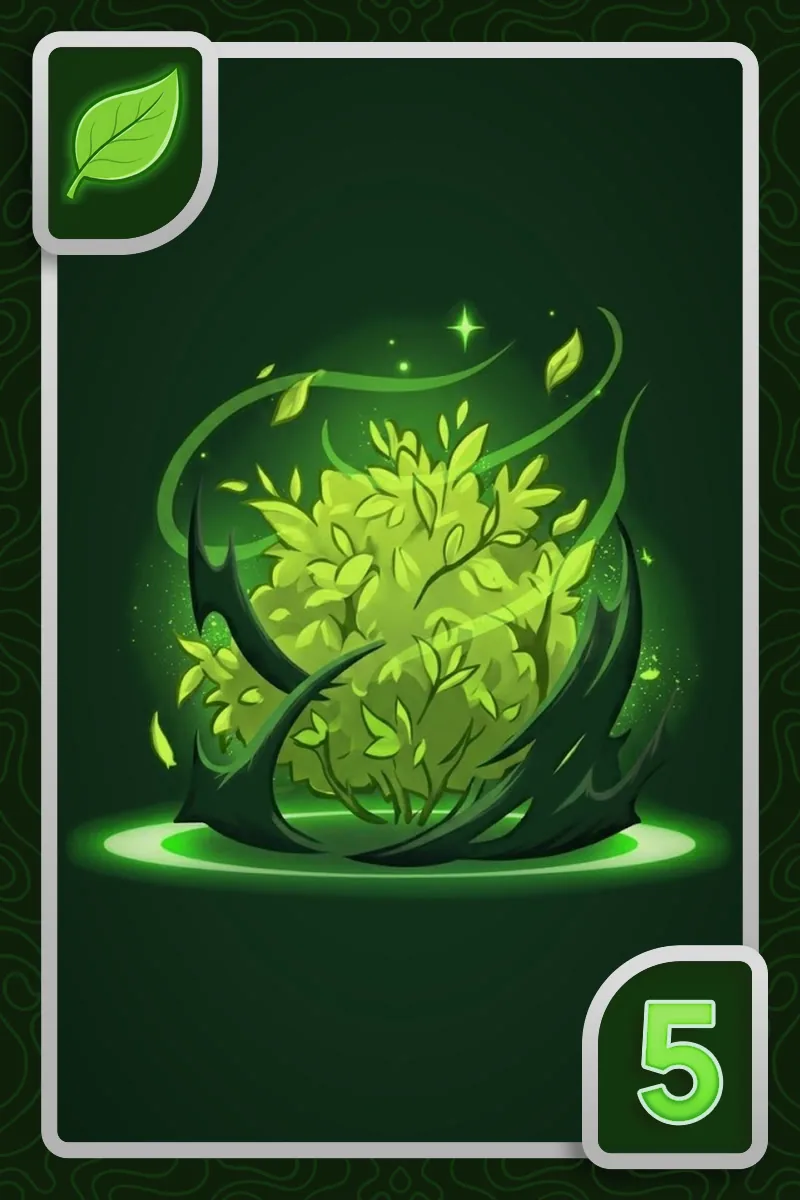
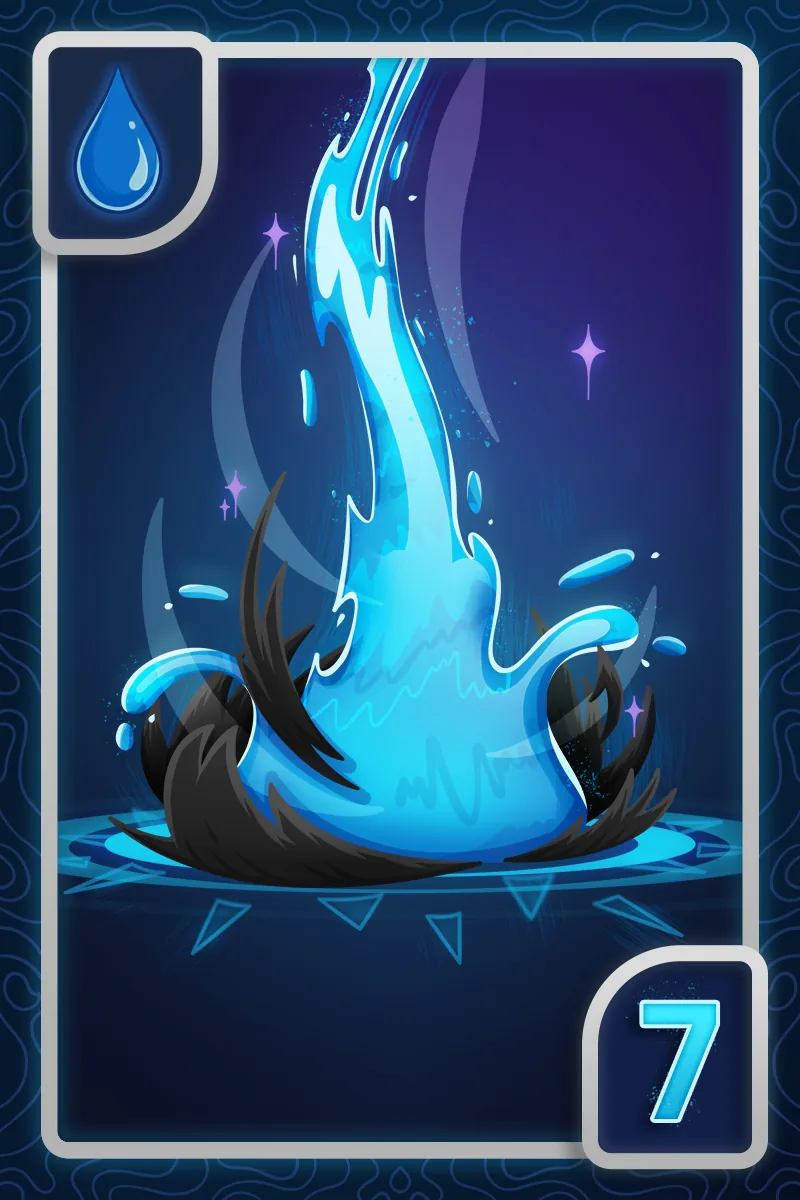
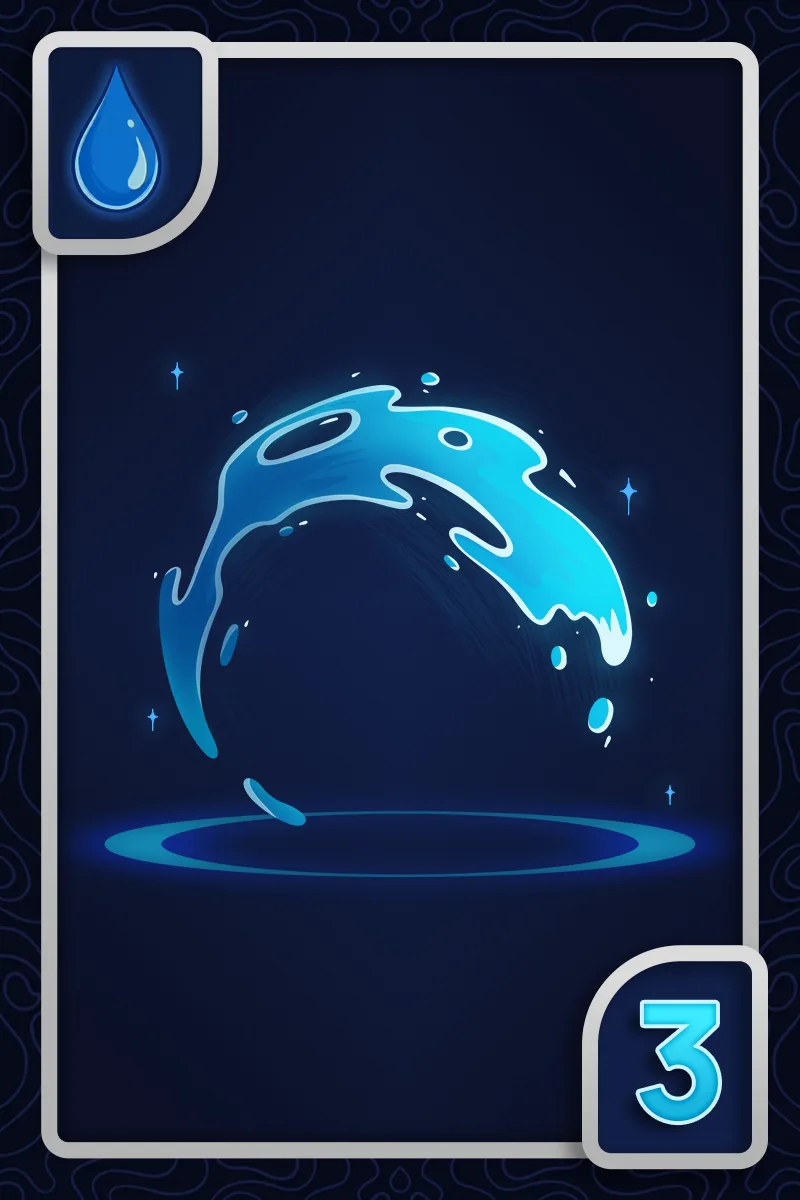
Fire burns grass. Grass drinks water. Water douses fire. When two different elements meet, only the circle decides.
The numbers
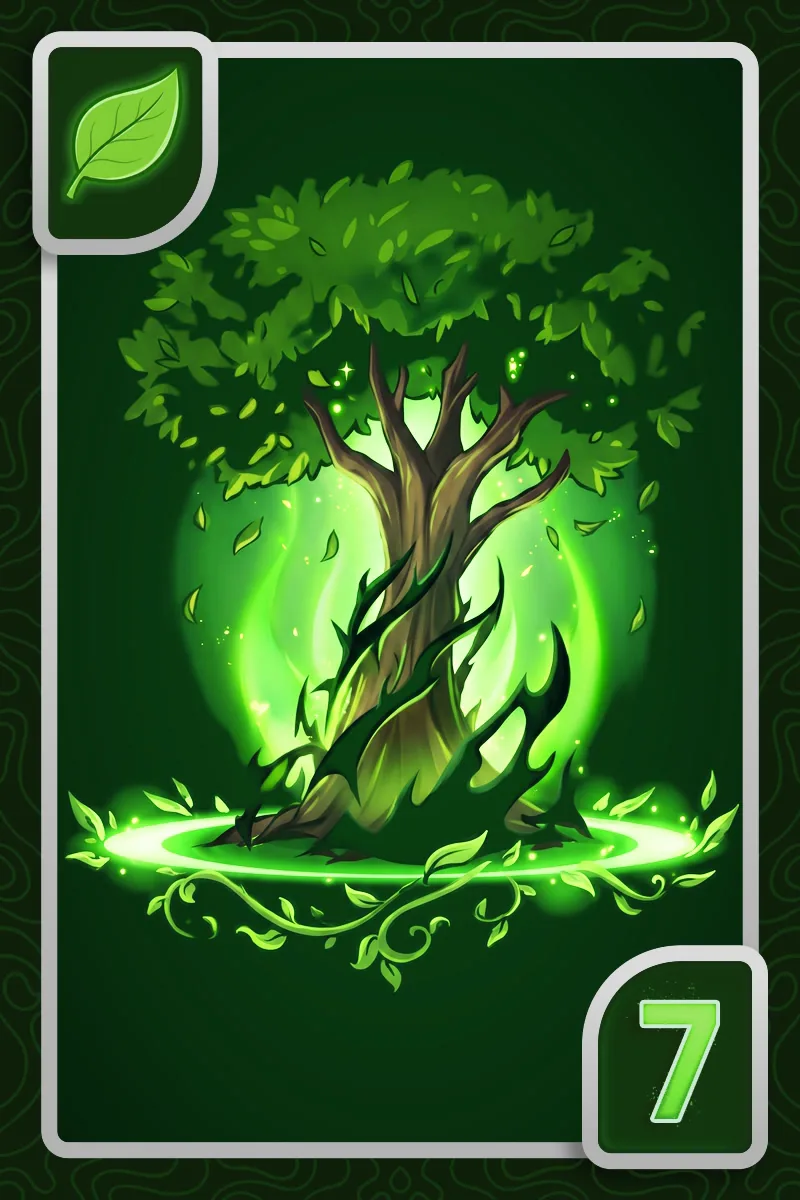
Every card carries a value from 3 to 7. Same element? The higher number takes the round. Same element and same number is a draw; the round goes to no one. Cards have no other effects: only element and number.
The match
Each player draws nine of the fifteen cards — at least two of every element — with five in hand and four in reserve. Both hands are open. Both players pick a card at the same time; the cards flip together, there are no turns. The first to win three rounds takes the match. If the hands run out without a winner, the reserves join in; a match lasts nine rounds at most.
The daily
Everyone gets the same board. Their five cards are laid out in a fixed order; you order your five against them, slot by slot. There is exactly one best order — the one that wins the most rounds — and a perfect sweep is never possible, so the real question is which round you give away. Slots that match the best order turn green, the rest red. Rearrange and submit again; your score is the number of tries. A new board arrives at 00:00 UTC.
Sharing
Your result is a try count and a grid of ✓ and ✕ per attempt — never the answer. Nothing you share spoils the board for the next person.
Puzzle of the day
A real mid-match position. You hold a forced win in the stated number of moves; the opponent always answers with the reply that hurts you most, so only the true line works.
Gauntlet
A pool of nine cards, one round per opponent, no lives. A loss or a draw burns the card. Three wins in a row bring a random card back; five in a row let you choose one. Your depth is how many opponents you passed.
Colours you can trust
Right and wrong always carry a shape — ✓ and ✕ — next to the colour, in shared grids too. A blue-and-orange high-contrast palette follows your system contrast setting here and the Settings toggle in the app.